
Lose Fat Without Losing Muscle
Learn the science-backed strategies that help you shed body fat while preserving lean muscle mass. Discover how sustainable dietary and training approaches can transform your body composition.

The 4-Step Framework
A proven approach to preserve muscle while losing fat, grounded in nutrition science and training principles.
Protein Priority
Consume adequate protein daily—aim for 1.6–2.2g per kilogram of body weight—to support muscle maintenance during caloric deficit.
Smart Caloric Deficit
Create a modest energy deficit (10–20% below maintenance)—aggressive cuts trigger muscle loss and metabolic slowdown.
Strength Training
Lift weights 3–4 times weekly, focusing on compound movements—resistance signals your body to keep muscle tissue intact.
Progressive Tracking
Monitor body composition changes weekly—adjust intake and training as needed to balance fat loss with muscle preservation.
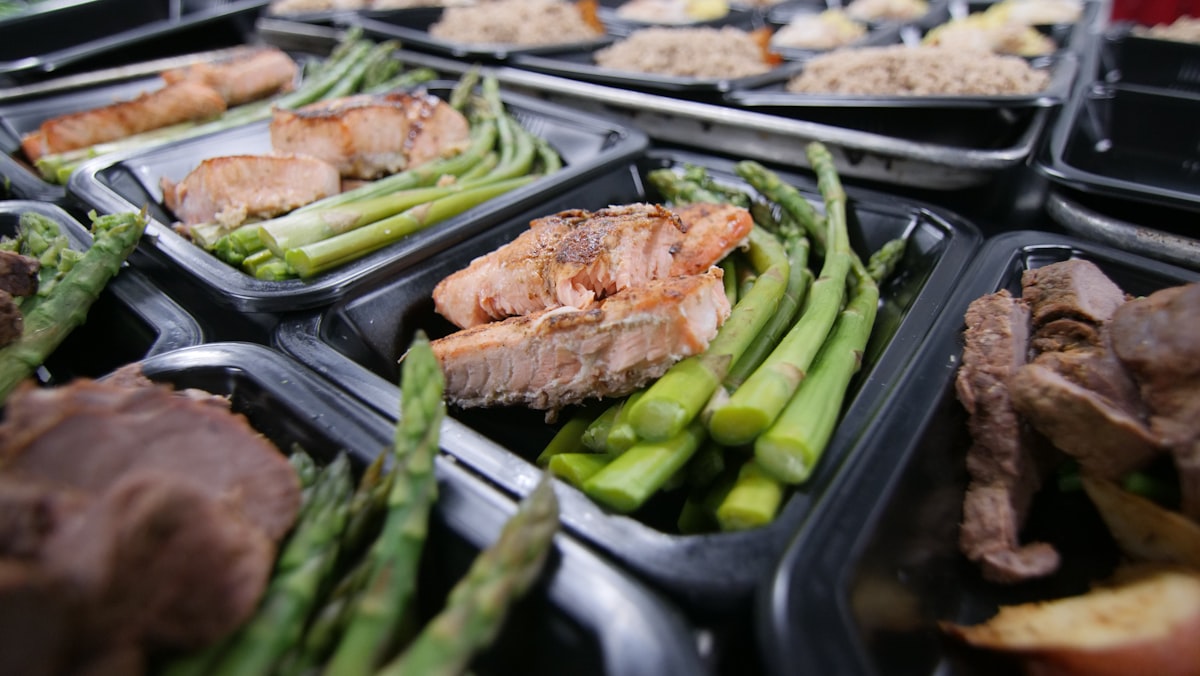
Why Most Fat Loss Plans Fail Your Muscles
Many conventional diets prioritise rapid weight loss over body composition. The result: muscle loss alongside fat, leading to a weaker, less defined physique.
-
Extreme caloric cuts
Crash diets force your body to break down muscle for energy.
-
Cardio-only approach
Without resistance work, muscle atrophy accelerates during a deficit.
-
Insufficient protein
Low intake limits your muscle's ability to recover and remain intact.
-
No progress monitoring
Without tracking body composition, you won't know what you're actually losing.
At Sustainable Muscle Flow, we help you understand how to preserve your hard-earned muscle mass while achieving fat loss through evidence-based strategies.
Essential Nutrition Pillars for Fat Loss
Master these core nutrition principles to fuel your body composition transformation.
Protein Intake
Prioritise 1.6–2.2g per kg of body weight daily. Protein preserves muscle, enhances satiety, and supports recovery between training sessions.
- Lean meats, fish, eggs
- Greek yoghurt, cottage cheese
- Legumes and plant proteins
Caloric Balance
Maintain a modest deficit of 10–20% below your maintenance level. Too large a cut triggers metabolic adaptation and accelerates muscle loss.
- Sustainable 0.5–1 kg per week
- Preserves metabolic rate
- Reduces muscle breakdown
Micronutrient Density
Whole foods rich in vitamins and minerals support recovery, immune function, and hormonal balance during body composition change.
- Vegetables and fruits
- Whole grains and seeds
- Nuts and healthy fats
Hydration
Adequate water intake (roughly 2.7–3.7 litres daily) aids metabolic function, supports performance, and helps regulate appetite during a deficit.
- Improved exercise recovery
- Enhanced fat mobilisation
- Appetite regulation
Fibre Content
Aim for 25–40g daily from whole foods. Fibre promotes satiety, stabilises blood sugar, and supports digestive health during fat loss phases.
- Increased meal satisfaction
- Stable energy levels
- Metabolic support
Meal Timing Strategy
Distribute protein evenly across 3–4 meals to optimise muscle protein synthesis throughout the day during training and recovery phases.
- Pre and post-training nutrition
- Consistent energy delivery
- Recovery optimisation
Common Questions About Muscle Preservation
Find answers to frequently asked questions about losing fat whilst maintaining muscle.
How much weight can I expect to lose per week?
A sustainable rate is 0.5–1 kg per week. Faster losses often include significant water and muscle loss. A modest deficit (10–20% below maintenance) paired with strength training and adequate protein helps preserve lean mass whilst fat declines steadily.
Do I need to do cardio to lose fat?
Cardio is optional, not essential. A caloric deficit created through diet alone can produce fat loss. However, moderate cardio (20–30 minutes, 3–4 times weekly) complements a strength routine and improves cardiovascular health without compromising muscle if protein and training intensity remain high.
What's the best way to measure fat loss progress?
Track multiple metrics: weekly weight (average over 7 days), progress photos, measurements, and how clothes fit. Some weeks, scale weight plateaus whilst body composition improves. DEXA scans or bioelectrical impedance offer detailed body composition data if available, but consistency over time matters most.
How often should I adjust my diet during a cut?
Review weekly progress every 2–4 weeks. If fat loss stalls, reduce intake by 100–200 calories or increase activity slightly. If losing faster than 1 kg per week consistently, add calories back. Gradual adjustments prevent muscle loss and maintain metabolic health.
Is it possible to build muscle and lose fat simultaneously?
Yes—body recomposition is possible, especially for those new to strength training. By eating adequate protein, maintaining a small deficit, and lifting progressively, you can increase muscle whilst losing fat. Results are slower than single-goal approaches but yield superior aesthetic outcomes.
What role does sleep play in fat loss and muscle preservation?
Sleep (7–9 hours nightly) is critical. Poor sleep increases cortisol, reduces muscle protein synthesis, impairs recovery, and triggers cravings. Consistent sleep improves fat loss, preserves muscle, and supports hormonal balance. Prioritise sleep hygiene as much as nutrition and training.
Success Stories: Muscle Kept, Fat Lost
Real experiences from readers who transformed their body composition using evidence-based strategies.
"Following the protein-first approach and maintaining my strength training, I lost significant weight of fat over 12 weeks whilst my lifts actually increased. The framework made everything click—I finally understood why previous diets left me weaker. The emphasis on sustainable deficits saved my muscle."
James Mitchell
Software Developer, London
"I was terrified of losing the muscle I'd built, but these guides showed me exactly how to create a deficit without sacrificing strength. Over 16 weeks, I dropped from 28% to 22% body fat whilst gaining 2kg on my squat. The nutrition pillars and tracking advice were game-changing for me."
Sarah Williams
Marketing Manager, Manchester
"As someone returning to the gym after years off, I was worried about undoing my progress during a cut. The 4-step framework gave me confidence. I've now lost significant weight of fat in 8 weeks with measurable strength gains. The science-backed approach made all the difference in my transformation."
David Chen
Personal Trainer, Birmingham
Stay Updated With Evidence-Based Content
Get the latest articles and guides on body composition, nutrition science, and muscle preservation delivered to your inbox.
We respect your privacy. Unsubscribe anytime.
Ready to Transform Your Body Composition?
Explore our detailed guides, discover science-backed strategies, and learn how to preserve muscle whilst losing fat sustainably.
Sustainable Muscle Flow is your resource for understanding body composition science. All content is educational and designed to help you make informed choices about your fitness journey.